
Why India Leads the World as a Granite Stone Manufacturer
In the global arena of natural stone production, India stands tall as an undisputed leader, particularly when it comes to granite. This isn’t just a matter of quantity it’s about quality, innovation, and an unyielding commitment to craftsmanship that has positioned India as the world’s top granite stone manufacturer. From the gleaming countertops in American kitchens to the majestic facades of European buildings, Indian granite graces spaces worldwide. But what makes India the go-to hub for this versatile stone? In this deep dive, we’ll explore the geological blessings, manufacturing prowess, economic advantages, and forward-thinking strategies that cement India’s dominance. Whether you’re a designer, investor, or simply curious about the stone beneath your feet, understanding India’s granite empire reveals a story of natural wealth and human ingenuity.
A Rich Geological Heritage: The Foundation of India's Granite Dominance
India’s granite story begins deep in the Earth’s crust, where millions of years of tectonic activity have gifted the country one of the world’s largest reserves of granite. Spanning over 300,000 square kilometers, these deposits are scattered across states like Karnataka, Andhra Pradesh, Rajasthan, and Tamil Nadu. What sets Indian granite apart is its diversity ranging from the classic black Absolute Black to vibrant colors like Kashmir White and Tan Brown, each with unique veining and textures that appeal to global tastes.
This abundance isn’t accidental; India’s subcontinent, formed by the collision of tectonic plates, created ideal conditions for granite formation. Unlike regions where granite is scarce or harder to extract, India’s deposits are accessible and plentiful, allowing for sustainable quarrying. For instance, the Deccan Plateau alone holds enough granite to supply the world for generations. This natural endowment gives Indian manufacturers a head start, reducing dependency on imports and enabling large-scale production. It’s like having a treasure trove right at home, fueling an industry that contributes billions to the economy.
Manufacturing Excellence: From Quarry to Global Markets
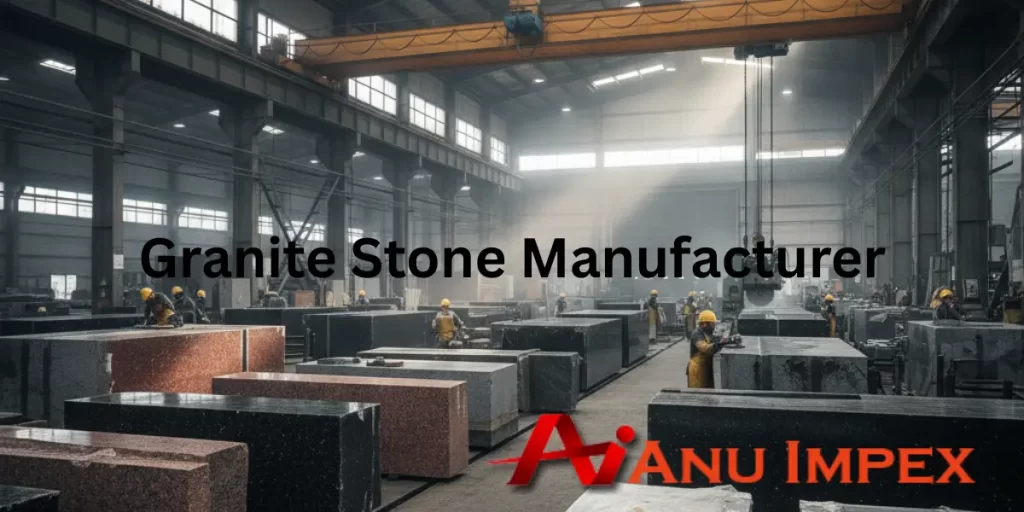
At the heart of India’s leadership is its sophisticated manufacturing ecosystem. What starts as raw stone in quarries transforms into polished slabs through a blend of traditional craftsmanship and cutting-edge technology. Indian granite stone manufacturers employ state-of-the-art machinery, including diamond-tipped saws, CNC machines, and automated polishing lines, ensuring precision and efficiency. Yet, they don’t overlook the human touch skilled artisans hand-finish pieces for that bespoke quality that machines can’t replicate.
Quality control is paramount; rigorous testing for hardness, porosity, and color consistency ensures that only the finest products reach export. This commitment to excellence has earned Indian granite certifications like ISO and CE, making it trusted by international buyers. Moreover, the industry’s vertical integration from extraction to finishing keeps costs down and quality high. Imagine a factory where raw blocks arrive, get cut, polished, and packaged all under one roof; that’s the reality for many Indian operations, streamlining the process and minimizing waste.
Economic Advantages: Cost-Effectiveness and Workforce Power
Economically, India punches above its weight as a granite stone manufacturer. With labor costs significantly lower than in Western countries, Indian producers offer competitive pricing without compromising quality. A slab that might cost $50 per square foot in the US can be sourced from India for half that, thanks to efficient operations and economies of scale. This affordability has made Indian granite accessible to a broad market, from luxury homes to budget-conscious commercial projects.
The workforce is another pillar over a million people are employed in the granite sector, from quarry workers to exporters, fostering skill development and innovation. Government support, through policies like the Make in India initiative, further bolsters the industry with subsidies and infrastructure. Exports, valued at over $3 billion annually, flow to more than 100 countries, with the US, China, and the Middle East as key markets. This economic engine not only drives growth but also creates jobs, turning granite into a cornerstone of India’s industrial landscape.
Meeting Global Demand: Versatility and Customization
India’s granite stone manufacturers excel in catering to diverse global needs. Whether it’s the sleek, modern lines demanded by contemporary architecture or the ornate patterns for traditional designs, Indian granite adapts. The country’s ability to produce a wide range of finishes from honed and polished to flamed and brushed ensures versatility. Customization is a hallmark; clients can specify sizes, colors, and even bespoke patterns, making Indian granite a favorite for unique projects.
This adaptability extends to applications: countertops, flooring, cladding, and monuments all benefit from granite’s durability. In high-traffic areas like airports or hotels, Indian granite withstands wear, while its heat resistance makes it ideal for kitchens. The industry’s responsiveness to trends, such as eco-friendly sourcing, keeps it ahead. By understanding global preferences, Indian manufacturers don’t just supply stone they deliver solutions, fostering long-term partnerships.
Sustainability and Innovation: A Forward-Thinking Approach
In an era of environmental consciousness, India’s granite stone manufacturers are leading with sustainability. Responsible quarrying practices minimize ecological impact, with many operations certified by bodies like the Responsible Stone Council. Water recycling, dust control, and reforestation efforts ensure that extraction doesn’t harm local ecosystems. This green ethos appeals to eco-aware buyers, differentiating Indian granite from less regulated competitors.
Innovation drives progress too. Investments in R&D have introduced advanced techniques like laser cutting and digital design software, allowing for intricate, waste-reducing patterns. Hybrid products, blending granite with other materials, expand possibilities. As the industry embraces digital tools for inventory and sales, it remains agile. This blend of tradition and technology positions India not just as a manufacturer but as a pioneer, ready for future demands.
Challenges and Overcoming Them: Building Resilience
No leadership comes without hurdles, and India’s granite sector faces its share. Fluctuating raw material costs, labor shortages, and international trade barriers can strain operations. Environmental regulations demand constant adaptation, while competition from countries like China pushes for innovation. Yet, Indian manufacturers tackle these head-on through diversification expanding into value-added products like tiles and slabs and skill training programs.
The industry’s resilience shines through; for example, during global disruptions like the pandemic, digital exports surged. By focusing on quality and reliability, India maintains its edge. Looking ahead, with investments in automation and green tech, the sector is poised for growth, potentially doubling exports in the next decade.
India's Granite Legacy and Future Promise
India’s ascent as the world’s leading granite stone manufacturer is a testament to its geological riches, manufacturing mastery, and economic savvy. From quarries teeming with natural beauty to factories humming with innovation, the country delivers granite that combines durability, affordability, and sustainability. As global demand for natural stones rises, India’s role will only strengthen, inspiring spaces worldwide. Whether you’re sourcing for a project or admiring a polished slab, remember: behind every piece of Indian granite lies a story of excellence. Embrace it, and let India’s granite legacy enhance your world.
