
Natural Stone Veneer: Types, Applications & Why It’s the Smart Choice for Modern Architecture
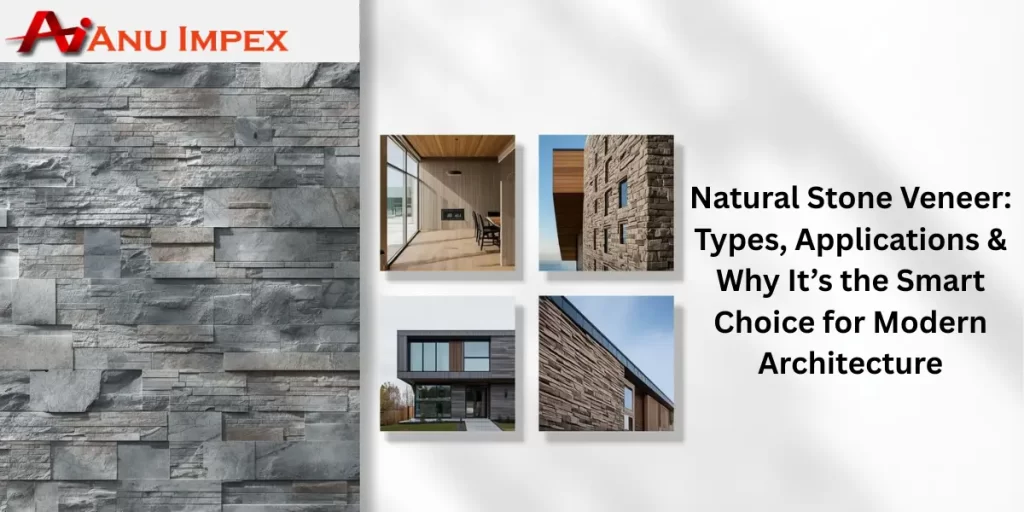
The vision of your building or home with the elegance of natural stone is appealing; however, worries concerning weight, expense, or installation can prevent you from doing so. What if we told you about a wonderful, light-weight, economical, versatile option to achieve the look of natural stone without the excess weight? This option is called natural stone veneer; it is a thin piece of stone that is 1-2 inches thick and has changed the way we design our buildings today by giving all the positive characteristics of stone in terms of durability and beauty, while at the same time being easy to install. In this article, we will be taking a closer look at the different kinds of natural veneer, how it can be used, and why it is an excellent choice for modern architecture. There is a tremendous amount of perplexity regarding the manufacturing process of stone veneer, which consists of slicing stone from a quarry into very thin sheets while maintaining the original textures found in the stone. When creating your project, you may encounter burstiness—finding inspiration very quickly from images after a thorough examination to methodically completing your design plans—this, in turn, leads to innovative designs. Why would you choose synthetic when you could choose natural veneer, which offers the authentic look and feel? Let’s take a closer look at all the reasons why natural veneer is an essential material for modern architecture!
Natural veneers provide a link between tradition and innovation while giving architects and homeowners an option for incorporating timeless materials with a modern architectural style. This option provides versatility by allowing the designer to choose a material that can be easily processed and fabricated to have the appearance of solid stones with fewer structural issues, as compared to full-thickness stone. From being used as residential sidings and dividers to commercial building interiors, veneers are used in conjunction with contemporary design trends such as minimalism and sustainability. You may wonder how this product enhances the aesthetics and functionality of contemporary architecture. By understanding the various types and how to effectively integrate all the advantages they have, you can incorporate stone veneers into your architectural design.
Natural Stone Veneers Come in Many Different Types
There are many unique kinds of stone veneers throughout nature, many with different aesthetic and physical attributes, giving you many choices. A good example of one type of stone veneer is slate, which has a really beautiful natural layered texture and is also extremely durable, with many natural colours; many of which are greys and greens, so it’s perfect for both rustic style homes and contemporary homes. Slate has a natural cleft finish, which gives it slip resistance, and because of this, it can be used both indoors and outside.
Limestone veneers are gentle and elegant with various fossils and light veining typical of sedimentary rock types, and excellent for a warm and welcoming feel in design. It is lightweight and much easier to carve than other heavier stones. Sandstone veneers have a gritty texture and offer warm colours which will last forever and stand strong against the weather outside. There are many variations of stone veneer due to cultured stone and quarried slabs, and the manufacturing process will impact the porosity and finish of all stone veneer types, adding to readers’ confusion as well as to the complexity of selection. Burstiness occurs when both Slate rigid and Limestone smooth are in a project together.
Granite veneers weigh more than limestone or sandstone but provide larger design patterns and more durability for heavy foot traffic and are ideal for high-volume areas. Marble veneers also provide a luxurious appearance, but care must be taken when handling them so as not to etch the polished surface of the stone. Travertine veneers have a porous texture and many bubbles on the surface, making for soft and often warm spaces; therefore, Travertine is frequently used in bathrooms. You will choose the veneered stone based on both climate and style, with frost-resistant stones, such as Slate, being your only option for extremely cold winters. All types of stone veneer will meet today’s demand for variety and for optimal stone veneer performance.
Applications of Natural Stone Veneer in Modern Architecture
Natural stone veneer can augment the functionality and beauty of numerous types of architectural environments, both residential and commercial. For example, when used on the exterior of a home, stone veneer provides the same curb appeal as real stone but does not have the same weight. On the inside of a home, a stone veneer can be used as an accent wall to highlight the Living Room or to provide a natural texture that draws attention to the fireplace. For commercial properties, stone veneer can be used to accent lobbies or storefronts, creating an aesthetically pleasing, fused look when combined with glass and steel.
Using stone veneer in landscaping can help integrate the stone with the natural environment by creating retaining walls or garden paths. A kitchen or bathroom may benefit from the use of stone veneer for elements that are typically made from solid materials backsplashes or countertops. When applying high-load applications, it is critical to provide a proper substrate, like concrete or metal lath, for the adhesive to properly bond to the substrate.
Stone veneer can also be used in a variety of ways, such as using large pieces for simple cladding or unique, complex mosaics, providing for both minimalist and ornate tastes. You have successfully incorporated stone veneer in renovations so that an ageing structure may have a modern touch.
Why Natural Stone Veneer Is the Smart Choice for Modern Architecture
Natural stone veneer has all of the advantages of a more modern way to create a home without sacrificing architectural beauty. A major benefit of natural veneer compared to full-size stones is that they are significantly lighter, approximately 75% lighter, so they don’t require as much structural support and therefore have lower installation costs. This makes stone veneer an excellent option for retrofitting existing buildings and multi-story buildings with weight restrictions.
The durability is another significant advantage to using veneer; they are resistant to weathering, colour fading and cracking, and can last for decades with very little maintenance required. Additionally, because they use less quarried stone than natural stone, they are also more environmentally friendly.
When it comes to aesthetics, there are virtually unlimited options for colour, texture and finish, and veneers can be used to enhance both contemporary and industrial style homes. The larger degree of perplexity associated with a smart choice is the need to balance cost-effectiveness and long-term durability, and choosing to use veneer provides immediate savings while offering long-term value.
There is a tremendous amount of burstiness in the advantages of using veneer because of the combination of affordably priced products with premium looks, providing an extremely accessible and luxurious choice to consumers.
Many consumers are concerned with energy efficiency, and veneer products provide thermal mass, thereby regulating temperature stability. Additionally, stone veneer provides a medium for architects to develop their creative ideas without constraint. Many urban areas are impacted by noise pollution, and stone veneer is able to provide acoustic insulation value. Additionally, many manufacturers of veneer products have developed non-slip varieties for safety; therefore, consumers should never consider imitation products when they can have genuine-looking stone veneer.
Installation and Maintenance Tips for Natural Stone Veneer
To do it well, stick to clear steps while installing and maintaining. Use experienced people familiar with attaching thin layers to solid frames – let them use fasteners or tough adhesive to keep everything secure. Prepare the foundation slowly, preventing shifts or cracks down the line. Include tiny openings for water to exit in outdoor spots instead.
To keep your veneer looking sharp, seal it every year – just pick gentle soap so it doesn’t throw things off. Before cranking up usage, scan the face closely – patch any splits quickly with pieces from the same run. Care shifts depending on the stone type – take soft limestone, it demands sealing more often than tough slate. Schedules aren’t set in stone – swipe it once a week with a damp cloth, then do a full check-up each season. Ditch rough methods and grow clever routines; that’s how you hold the shine longer while guarding the stuff daily.
Cost Considerations and ROI of Natural Stone Veneer
You look at costs honestly – veneer runs 5–15 per sq. ft, based on kind and location. On top of that, setup runs another 10–20 per sq. ft, though you gain by needing less heavy construction. The real win? Homes with veneer go quicker and fetch better prices. Figuring out payback gets tricky when you weigh durability – a 20-year use spreads out the upfront hit. Budget surprises can actually help you get more value without overspending. When you spend smart, a good finish boosts how it looks or feels while lifting its price tag.
Conclusion
Natural stone veneer is a great new material for next-generation Architecture. Types of stones include slate and limestone, uses range from outside to inside buildings, and the advantages range from being durable, efficient, and stylish. With stone veneer, you create great-looking spaces that have a combination of traditional elements and modern design characteristics. We invite you to take advantage of stone veneer within your projects, and we encourage you to look for all the different design elements you can incorporate into your project. Wouldn’t it be great to add the everlasting beauty of stone veneer to your architectural project?
