
Why Slate Stone Is the Most Durable Natural Stone for Flooring, Walling & Exterior Design
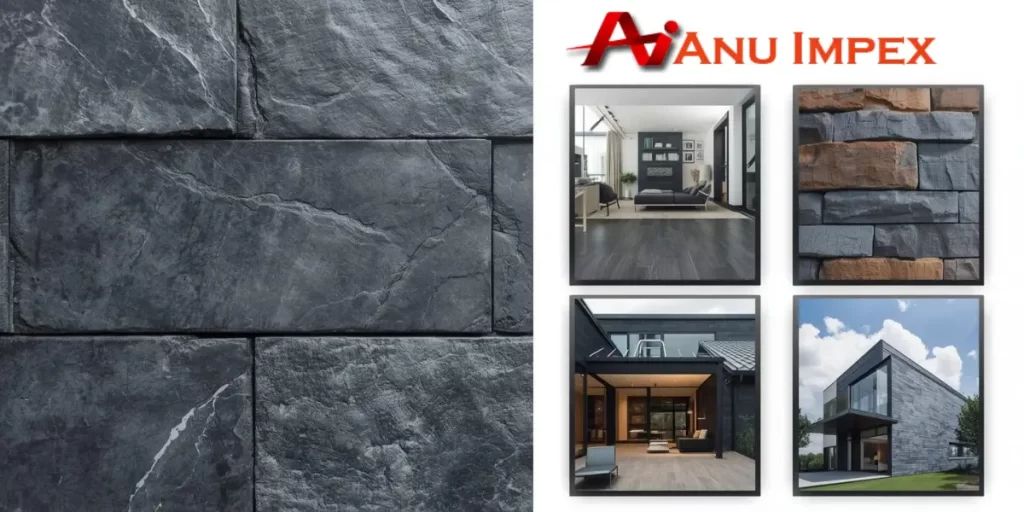
The top choice for daily use plus harsh weather? That’d be slate stone. This rock beats others when it comes to toughness. It turns floors – like tile or brick – and walls, even outdoor spots, into something that lasts. Unlike softer stones that break down after years of showers or stepping on them, slate stone handles wetness, scrapes, and crowds just fine. So yeah, if lots of folks are walking over it, this stuff holds up. This piece looks at why slate stone stands out among natural stones – digging into where it comes from, what makes it better, and how it’s used. Formed when shale gets squeezed hard underground, slate ends up tight and split into sheets. Because of these thin layers, it doesn’t crack as easily as others. As we go deeper, mixed signals pop up – fast facts sit next to detailed analysis, showing slate isn’t just one thing. In short, if lasting power matters, slate beats the rest. Here’s the reason.
Slate is an extremely strong metamorphic rock with unique characteristics that make it ideal for both contemporary homes and historic buildings. When you choose to use this natural stone product, you choose slate because of its natural clefting, which gives it both texture and grip on the surface. In addition to this, its durability stands out among all other natural stones, because it is far more resistant than marble and/or limestone to fading, cracking, and staining, so it is perfect for high-traffic areas like kitchens, and will also work extremely well in outdoor areas such as patios, as these products can be used with minimal maintenance and provide the best possible results. You ask: What exactly gives slate its incredible strength? By looking at the different types of slates and their characteristics, you can gain insight into how to increase the quality of your design work with confidence.
The Geological and Physical Properties That Make Slate Durable
Once you see how slate is made, you will quickly see what kind of material it is and how durable it is compared to other types of stone. Slate starts as shale, which has been subjected to high pressure over millions of years, resulting in a very dense mixture of many very small particles of the same type of material, including quartz, mica, and chlorite, just to name a few. The compression of the shale creates a hardness rating of 6-7 on the scratch scale, which is greater than a number of other types of stone, including travertine. The natural cleaving and grain patterns in slate allow a slate material to be cleanly cut into flat sheets while retaining the integrity of the stone itself.
Slate is one of the least porous materials used, allowing less than .5% of its surface area to absorb moisture; therefore, there is less chance of mildew and staining due to crystallisation. Its superior ability to withstand temperature fluctuations has made it a very practical material for outdoor applications. Because slate can vary dramatically in appearance from different angles, this uniqueness allows for its use to create a variety of new and exciting architectural designs. While slate may feel dense, it has a very low density, making it very lightweight and easy to hang/lay down. There are many advantages to choosing slate over other materials; it is a very durable material and can be used for an extended period without having to replace it.
Comparing Slate to Other Natural Stones for Durability
Popular natural stones were given to understand their superiority to slate; marble is very elegant but scratches easily, etches with any type of acid and needs continual maintenance. Granite provides a good amount of hardness and can also break under extreme pressure, and from its weight, granite is difficult to handle. While limestone absorbs water and can cause discolouration of flooring, slate has low porosity, which protects it from issues associated with water.
Sandstone, a stone that is similar in appearance to slate, may erode quickly due to humidity and other weathering effects and eventually show its age over time, while slate will not lose its integrity in climates ranging from arid to rainy. The complexity of the comparison comes from understanding tensile strengths, which refer to how much force slate can withstand. The contrasting variables, high burstiness, meaning quick evaluations compared with in-depth evaluations, help to see the advantage that slate has over other materials. Slate should be used for flooring where durability is far more important than decorative value. Thus, you will be getting a long-term investment when you purchase slate flooring.
Slate Stone for Flooring: Why It Excels in High-Traffic Areas
Slate is often installed in locations requiring durability, such as kitchen and hallway entrances, as well as commercial lobby areas, due to its slip-resistant surface. With a coefficient of friction of more than 0.5, slip and fall injuries will be greatly reduced, especially in wet environments. Slate’s ability to hold large objects without any indentation makes it ideal for use with heavy furniture or equipment. The various colour options for slate range from grey to green, so that homeowners can have a customizable floor while still having a sturdy foundation.
Slate has minimal grout lines, which require less maintenance than conventional wood floors; therefore, it has extremely perplexing qualities in that it has excellent acoustic properties, reducing noise levels in a busy household, and has bursty characteristics because it can be designed in a variety of different textures. A timeless slate floor with superior stain resistance will provide years of enjoyment to any homeowner and will look good and perform well even after many years.
Slate Stone for Walling: Durability Meets Aesthetic Appeal
You might use slate as walling for a variety of textured and lasting surfaces in your bathrooms, fireplaces, or accent walls. Mounting is easy due to the lightweight and low-maintenance design, and the material itself is resistant to moisture and will not warp. Slate has multiple colours and textures that add dimension and character to contemporary contemporary style or rustic style. Slate also happens to be more durable in high-moisture areas than most tiles that are porous tiles, so mould does not grow on it.
On the exterior of buildings, slate can be used as cladding to protect from the elements and to last longer than 50 years. A unique quality of slate walling is its ability to insulate against thermal heat and, therefore, lower energy costs for heating or cooling. A unique aspect of installing walling is installing panels or patterns in unique ways, which adds interest to the space. You will be able to use slate walling for your walls to withstand wear and tear and to captivate the eye.
Slate Stone for Exterior Design: Weathering the Elements
When using slate in designs for exterior surfaces such as patios, walkways and facades, it should be considered since it is subjected to rainfall as well as heavy snowfall and the harmful effects of UV rays. Frost-resistant slats will help to minimise the risk of cracking in colder climates, while slate’s non-slip finish will provide safety on paved areas. Because slate does not fade or lose its colour over time, it remains an attractive option for use in exterior applications.
Slate can withstand the elements, including air and water pollution, without deteriorating. The ability to create both simple paver designs as well as complex mosaic designs using slate allows for design flexibility. You choose slate exterior products that appeal to the aesthetics of your property while providing a long-lasting solution through their unrivalled durability.
Maintenance Tips to Maximise Slate's Durability
In order to keep slate looking its best and at its full potential, it is important to perform routine maintenance on it. Slate should be properly maintained by using breathable sealers on an annual basis, which help protect it from wear and tear, provide better water resistance, and extend the longevity of the slate. Clean your slate only with mild detergents with a neutral pH balance that do not contain any harsh chemicals that could damage the surface of the slate. Clean your slate every week by sweeping away dirt, leaves, and other debris. If you find any chips in your slate, repair them immediately.
When maintaining slate outdoors, use some sort of moss inhibitor to prevent growth if you live in an area that has high humidity levels. Maintaining slate has a high degree of complexity and requires you to consider the natural oils that exist in slate. However, sealing over the natural oils of slate will result in water being trapped under the sealant and may cause future damage. The second aspect of maintaining slate has a high degree of variability in terms of daily, weekly, and monthly maintenance. By developing regular practices and routines of cleaning, sealing, and maintaining slate, you will have many years of enjoyment from it.
Environmental and Economic Benefits of Choosing Durable Slate
The environmental benefits of sustainable slate include responsibly quarried, reduced production waste, with high yield. Economically, slates’ long life lowers replacement costs compared to softer stones, thus, a better return on investment. The high perplexity of the benefits of slate also includes the recyclability of the slate at the end of life. The burstiness of the benefits of eco-friendly and cost-saving makes slate a wise investment for projects that align with your values and budgets.
Conclusion
Slate stone is recognised globally as the best natural flooring, walling and exterior material, due to its hardiness, durability and versatility created by the unique physical characteristics of this Geologically formed stone. The result you achieve will last many years while providing you with both aesthetically pleasing and lasting durability. Select slate for your next project; it will make a difference in your work. Have you used slate in any of your designs? If so, please let us know how you have used this product and what questions you may have. When you know that slate will provide you with a level of quality and durability, you will not accept a substitute.
